Expert Techniques for Art Conservation Methods

Art is more than decoration. It is history, emotion, and culture captured in a frame. Preserving this beauty requires skill and care. I want to share expert techniques for art conservation methods that protect and restore your treasured pieces. Whether you have a delicate painting or a vintage print, these methods will help maintain their value and charm.
Understanding Art Conservation Methods
Art conservation methods are essential for keeping artwork in excellent condition. These methods involve cleaning, repairing, and stabilizing art to prevent further damage. The goal is to preserve the original intent and materials as much as possible.
One common technique is surface cleaning. Dust and dirt accumulate over time and can dull colors. Using soft brushes or specialized sponges, conservators gently remove grime without harming the paint or paper. This step is crucial before any restoration work begins.
Another important method is structural repair. Paintings on canvas may develop tears or holes. Conservators use patches and adhesives designed for art to mend these areas. They work carefully to match the texture and color so the repair is invisible.
Humidity and temperature control also play a big role. Art should be stored in stable environments to avoid warping or mold growth. Using acid-free mats and UV-protective glass in framing helps shield artwork from harmful light and pollutants.

Cleaning a painting surface with a soft brush to remove dust and dirt
Essential Art Conservation Methods for Different Materials
Different types of art require different conservation methods. Paintings, prints, sculptures, and textiles all have unique needs.
For oil paintings, conservators often use solvents to remove old varnish layers that have yellowed over time. This process brightens the colors and reveals the original details. After cleaning, a new protective varnish is applied.
Watercolor paintings are more sensitive. They require gentle cleaning with minimal moisture. Conservators may use dry cleaning techniques or very light washes with distilled water.
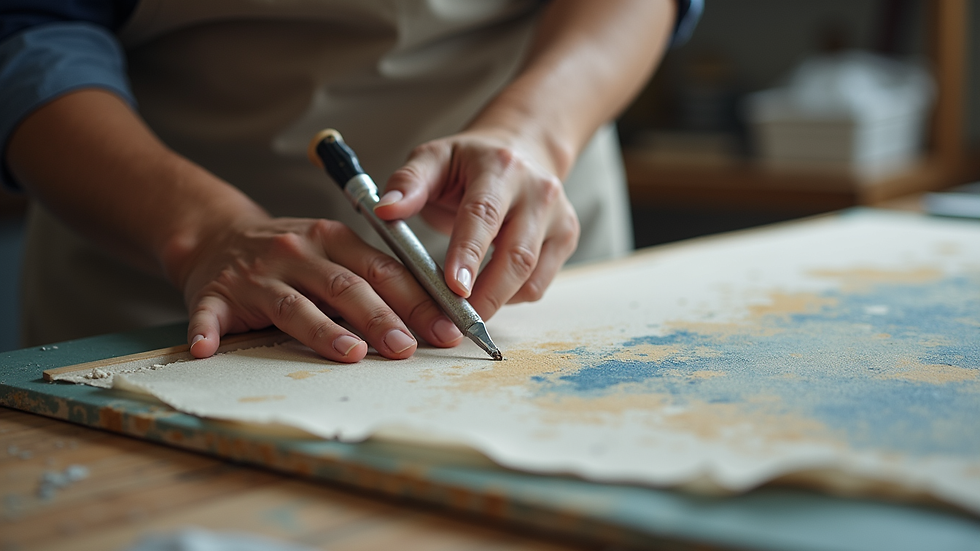
When it comes to prints and drawings, paper conservation is key. Acid-free backing and careful flattening prevent brittleness and curling. Tears are repaired with Japanese tissue paper and wheat starch paste, which are both reversible and safe for the artwork.
Sculptures made from metal or stone need different care. Conservators remove corrosion and apply protective coatings to prevent further decay. For wooden sculptures, controlling humidity is critical to avoid cracking.
Repairing a torn canvas with a patch and adhesive to restore structural integrity
Tools and Materials Used in Art Conservation Methods
Using the right tools and materials is vital for successful art conservation. I always emphasize quality and precision in every step.
Some common tools include:
Soft brushes and sponges for cleaning
Scalpels and tweezers for delicate removal of dirt or old adhesives
Microscopes to examine fine details and damage
UV lamps to detect previous restorations or varnish layers
Materials must be archival quality and reversible. This means they do not harm the artwork and can be removed if needed. Examples include:
Japanese tissue paper for mending tears
Wheat starch paste as a gentle adhesive
Conservation-grade varnishes to protect paint layers
Acid-free mats and backing boards for framing
Using these tools and materials correctly ensures the artwork remains safe during and after restoration.
How to Choose the Right Art Conservation Method
Choosing the right conservation method depends on the artwork’s condition, age, and materials. I recommend a thorough assessment before starting any work.
First, identify the type of damage. Is it dirt, fading, tears, or mold? Each problem requires a different approach. For example, dirt can often be cleaned, but fading may need protective measures rather than restoration.
Next, consider the artwork’s value and fragility. Some pieces are too delicate for aggressive cleaning or repair. In these cases, preventive conservation like proper framing and environmental control is best.
Consulting with a professional conservator is always a smart step. They can recommend the safest and most effective methods tailored to your piece.
Preserving Your Art with Expert Care
Proper preservation extends the life of your artwork. Simple steps at home or in your office can make a big difference.
Keep art away from direct sunlight to prevent fading.
Maintain stable temperature and humidity levels.
Use UV-protective glass when framing.
Avoid hanging art near heat sources or vents.
Dust frames regularly with a soft cloth.
If you notice damage or deterioration, seek professional help immediately. Early intervention can save your art from irreversible harm.
For those looking for professional help, I recommend exploring trusted art restoration services that specialize in both restoration and conservation. They have the expertise and equipment to handle all types of artwork safely.
Bringing Art Back to Life with Restoration
Restoration is the process of returning artwork to its original appearance. It requires skill, patience, and respect for the artist’s vision.
Common restoration tasks include:
Inpainting: Filling in missing paint areas with matching colors.
Varnish removal and replacement: Removing yellowed varnish and applying fresh layers.
Structural repairs: Fixing tears, holes, or loose canvas.
Reframing: Using archival materials to protect the piece.
Each step is done carefully to avoid over-restoring or altering the original work. The goal is to enhance the art’s beauty while preserving its history.
Final Thoughts on Art Conservation Methods
Art conservation methods are essential for protecting your investment and passion. With the right care, your artwork can last for generations.
Remember, conservation is not just about fixing damage. It is about preventing future harm and respecting the artist’s original creation. Whether you have a family heirloom or a modern masterpiece, expert techniques can keep it vibrant and safe.
If you want your art to be beautifully showcased and preserved, consider professional help. The right conservation methods make all the difference.
Thank you for joining me in exploring these expert techniques. Your art deserves the best care possible.


Comments